
The Hydraulic City: Angkor's Water Management Genius
The Khmer engineers built a system of canals, reservoirs, and moats that sustained a million people — and its collapse brought down an empire.
NOV 3, 2024
Read →
From the god-kings of Angkor to the survival of modern Cambodia — we chronicle every chapter of one of Southeast Asia's greatest civilizations.

In 802 AD, a young king performed a ritual on Phnom Kulen that would echo for centuries — declaring himself a devaraja, a god-king, and founding what would become the greatest empire Southeast Asia had ever seen.
The Khmer engineers built a system of canals, reservoirs, and moats that sustained a million people — and its collapse brought down an empire.
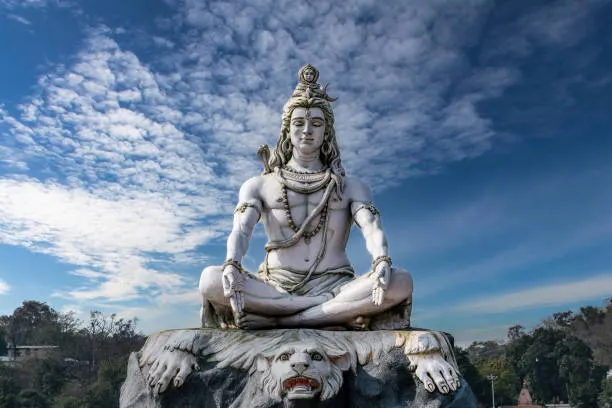
Over five centuries, the Khmer state religion shifted from Hindu traditions to Theravada Buddhism — reshaping society from the palace to the village.

The inscriptions at Angkor Borei date to 611 AD, making Khmer one of the oldest written languages in the region. Here's how scholars decoded it.
Those who forget the past are condemned to repeat it. The Khmer people have never been allowed to forget.— David Chandler, Historian of Cambodia
Weekly deep-dives into Khmer history, culture, and archaeology. No spam — just stories worth knowing.